LATEST NEWS
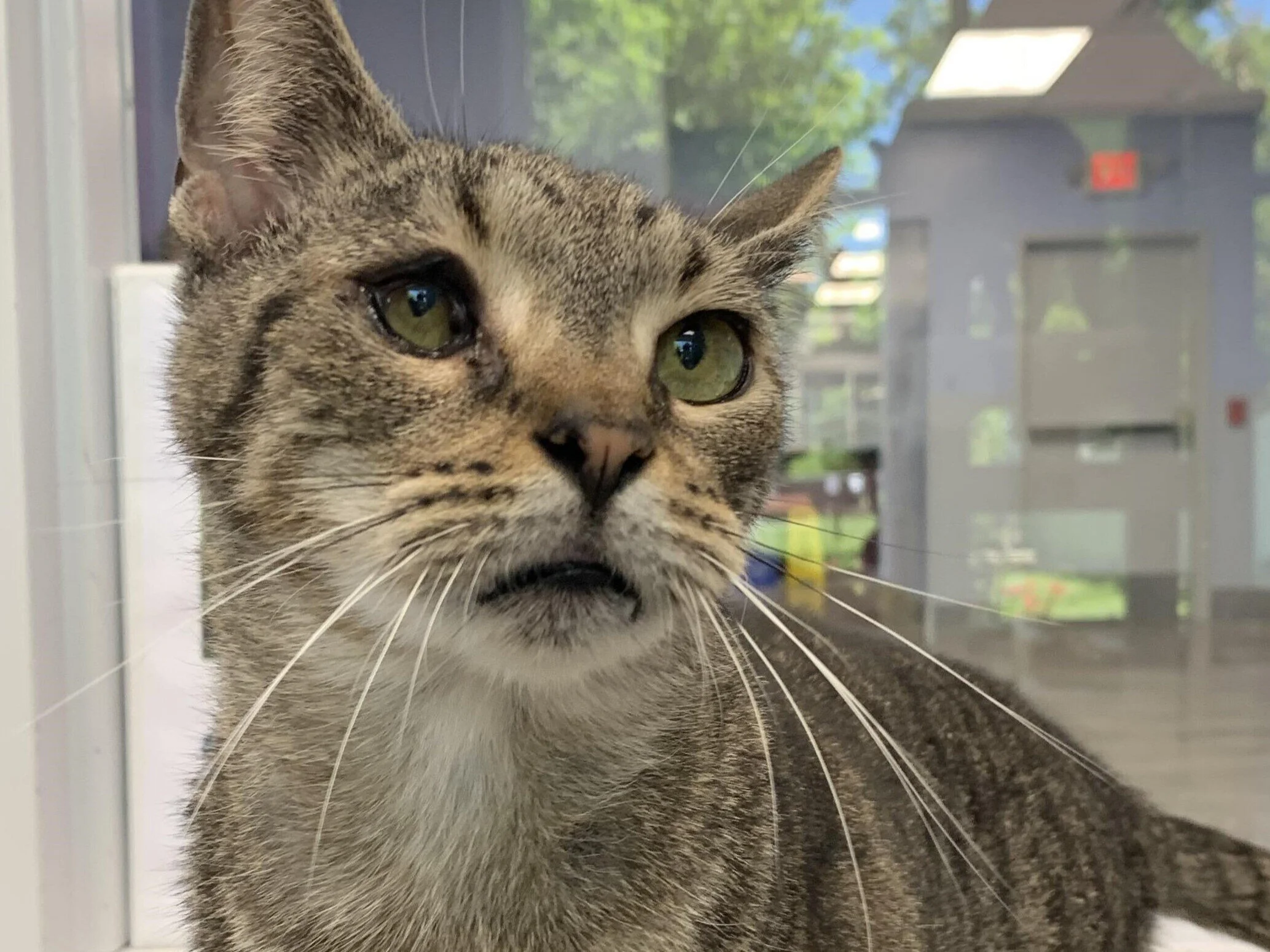
A Continued Commitment to the St. Hubert's Community
A message from Michelle Thevenin, St. Hubert’s Chief Operating Officer:
We know many of our communities – adopters, volunteers and supporters – are anxious to return to our campuses at Madison, North Branch and Noah’s. We are nearly six months into our pandemic response here at St. Hubert’s and we’re trying out new ways of doing our work, while still under fairly tight disease control protocols.
We will continue to do adoptions by appointment at our Madison facility and virtually through our foster network. We have nearly 300 animals (mostly cats!) in foster homes waiting for their forever homes. For more information, visit www.sthuberts.org/adoption-process.
Our Animal Control Officers continue to work from our Madison and North Branch locations.
We have limited volunteer opportunities at all three locations, which are being carefully scheduled to ensure appropriate physical distancing. This is especially true in our smaller locations (Noah’s and North Branch).
While we will not be housing adoptable animals at our North Branch and Noah’s locations, we will be hosting adoption events at these sites.
Doggie Day Camp has opened!
Critter Camp has gone virtual!
New training classes will start on Saturday, August 8 with strict physical distancing protocols to maintain everyone’s safety. We will offer in-person group classes and private lessons, drop-off training classes, and virtual classes, workshops and private lessons. More details and schedules are coming soon.
We can accept limited donations at all three of our sites. Pet food and cat litter are the most urgent needs. These donations help supply our pet food bank and help keep pets with the families that care for them.
We will continue to keep our staff and volunteers safe, while providing the best care for the animals in our communities. Thank you for your support and care!
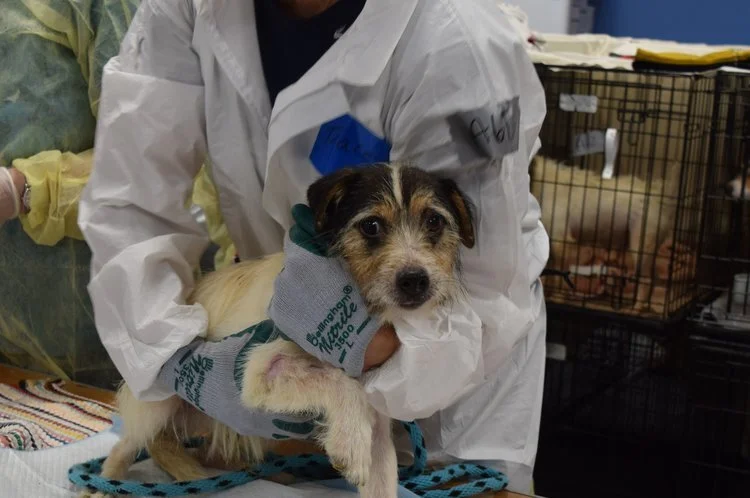
Celebrating a Year Since the Rescue of 188 Parson Russell Terriers
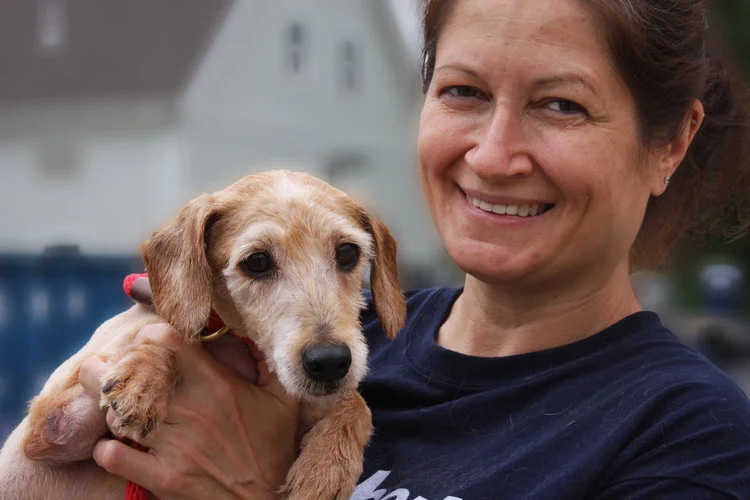
We are celebrating one year of freedom for 188 Parson Russell Terriers rescued from a horrific hoarding situation in Hunterdon County. St. Hubert’s had been called in by the prosecutor’s office to remove, shelter and care for the dogs. Most were so fearful, they needed months to learn how to trust people. Over the past year, it’s been gratifying to see these dogs get adopted into safe, loving homes, where they could finally experience simple joys like walking on grass and playing with toys.
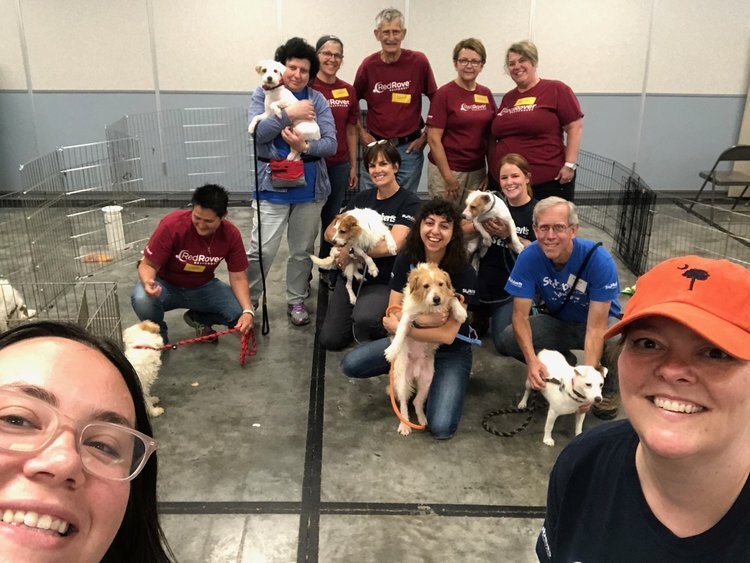
As we look back, we are grateful to everyone who played an integral part in rescuing, caring for, socializing, and adopting the dogs. Thanks to our staff, fosters, volunteers, plus the Hunterdon County Prosecutors Office, MSPCA-Angell, Dakin Humane Society, RedRover, Morris County Animal Response Team, Morris County Office of Emergency Management and nearly 20 partner organizations that welcomed these very special dogs into their care.
A Message to Our Community
At St. Hubert’s Animal Welfare Center, we have a long history of speaking for those who have no voice, and who struggle to be heard.
This has never been more important than it is today. The horrific killing of George Floyd shines a bright light on the inequities that have persisted through the entire life of our nation. His needless death makes all too clear the systemic injustices that people of color face every day.
We need to rise each morning with a resolve to make our world a kinder and more compassionate place. Our work is anchored in removing barriers, building bridges, fostering equity, and creating and preserving families.
As the employees and communities we love and serve mourn, we stand solidly with those who seek systemic change, justice, and a social fabric that embraces everyone equally. And as animal welfare professionals, we must always remember to keep the human in humane.
Pet Preparedness Guide
What’s Your Pet Plan?
While it’s not fun to imagine, now is an important time to create a plan for your pet in case you get sick. We strongly encourage you gather any members of your household and walk through the following steps to ensure your animals will be well cared for in the event of an emergency.
Know the Facts
According to the CDC, there is no evidence that people can get COVID-19 from pets. The best place for your animal is inside the home they know and love. If you aren’t feeling well but are still able to provide care for your pet, please keep them at home with you where they’re most comfortable.
What happens if I get sick?
If you do become too ill to physically care for your pet or you need to be hospitalized, who can take over for you? Is there anyone else in your home who could help? Maybe a neighbor, friend, coworker, or family member who could take them in? Even a groomer, daycare, or boarding facility may be able to help in your time of need with advance notice. But the most important thing you can do today is come up with two potential pet plans and talk directly with those people so they’re prepared in case they’re called to action.
Prepare a Pet Supply Kit
It may not seem necessary today, but we promise it will be hugely helpful if you find yourself in an emergency situation without the ability to track down the proper supplies. If possible, your kit should include:
Name and contact information for the person who can care for your pets
Name and contact information for your back-up in case your go-to is no longer able to help
Food, treats, a leash, a couple of toys, and any other supplies necessary to care for your pet for at least two weeks
A crate or carrier to transport your pet
Vaccination records
Collar with ID tags (don’t forget to make sure their microchip info is up to date)
Medications and prescriptions, along with instructions
Daily care instructions
Your vet's contact information
With your whole family on board and a plan in place, you’ll feel a bit better about your pet’s safety knowing they’re in good hands no matter what challenges may arise. For more info, please visit sthuberts.org/covid19.
Our Continued Commitment
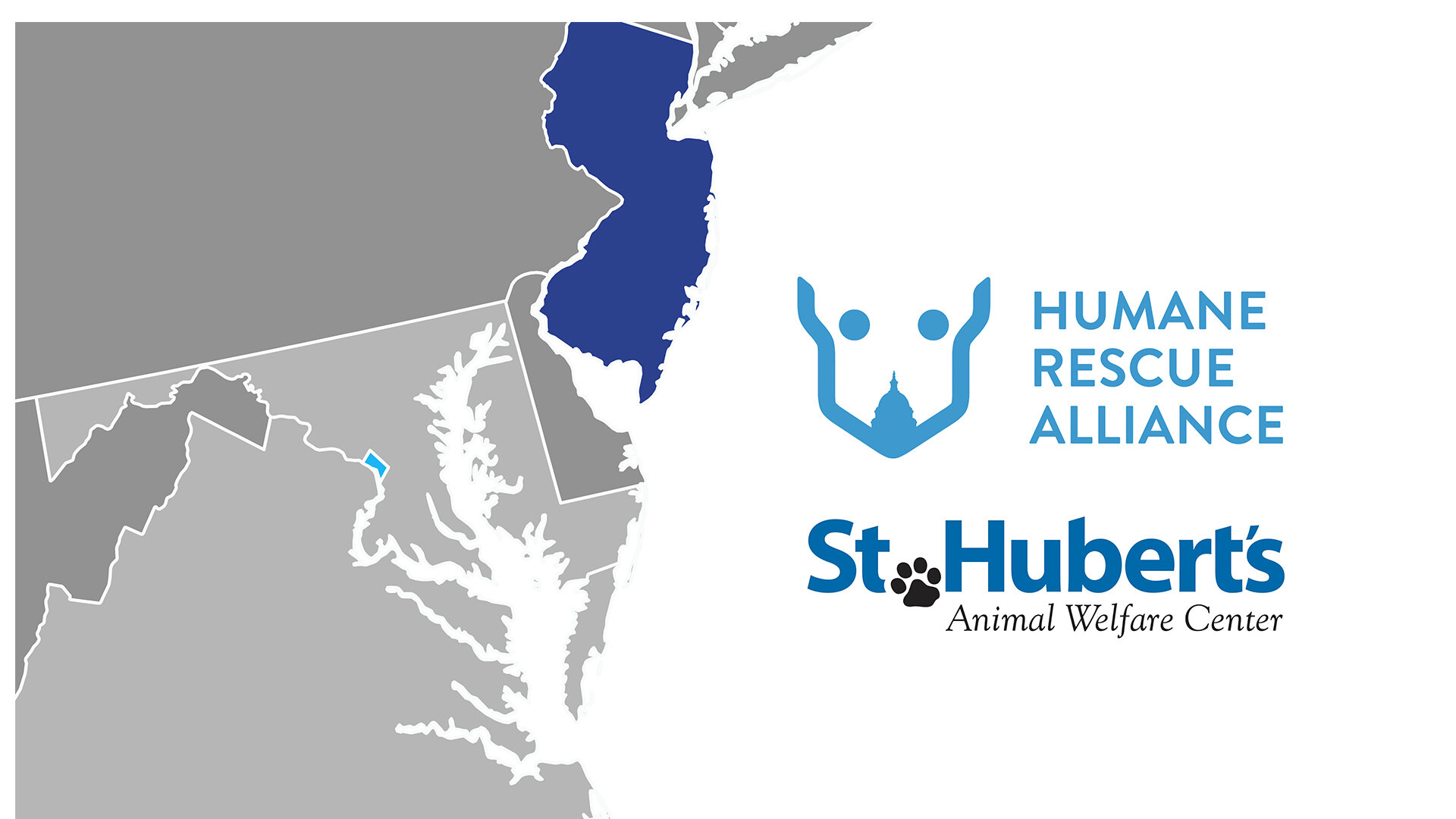
As we learn more about COVID-19 each day, and as our elected officials continue to issue community directives to best protect people during this pandemic, we are absorbing information, making decisions, and adapting quickly. You would be very proud to see our amazing team rising to the occasion and innovating in countless ways!
Last week, the Mayor of Washington, DC issued an order closing non-essential businesses. HRA and our core activities are considered essential to the running of the nation’s capital. Likewise, in New Jersey, the Governor issued a stay-at-home order for non-essential businesses, but St. Hubert’s Animal Welfare Center and our core activities are considered essential to the health and well-being of the communities we serve.
The animals still need a safe place to be cared for, and our officers will remain on the road. We are working closely with the government officials, and we are well-positioned to learn of any changes in the operations in all our communities.
In response, we’ve made some critical changes to our operations to ensure the safety and well-being of our staff, the animals in our care, and the public:
In Washington, we have moved our adoptable animals into foster homes and launched virtual adoptions. On March 26, our DC shelters closed for adoptions. This change has been wonderful for the animals; instead of waiting in a kennel, they are awaiting adoption in a loving home environment. This also is good for adopters, who are practicing social distancing – the adoptions process can be done from the comfort of their living rooms.
At St. Hubert’s, we successfully launched our new drive-through foster pickup process and established safer ways for adopters to meet the animals. Effective March 25, our New Jersey shelters closed to the public except by appointment from 4-6 p.m. Community members have overwhelmed us with their generous offer to foster our animals in their homes.
Another important change we have made is that we have temporarily suspended spay and neuter surgeries and for the time being we are adopting out intact animals at all our locations. Adopters will receive a waiver so they can return with their animal at a later date for the surgery, and our staff will stay in communication with the adopters so they are informed and encouraged to return as soon as we are able to perform the surgeries. This has been a very difficult decision, and one that our shelter colleagues across the country are also making. The shortage of personal protective equipment (PPE) has put healthcare providers in the human medicine field at great risk. Animal care and control organizations across the country have been asked (and in some situations mandated) to provide these valuable resources to human healthcare facilities, and we want to support the heroic efforts of our human healthcare providers.
Despite the challenges posed by the virus, our field services teams in DC and NJ remain hard at work. Unfortunately, animal cruelty and neglect doesn’t stop during a pandemic, and we won’t stop either. You may have seen the video we shared last week showing the nine dogs we rescued from an apartment in SE DC. Our officers, acting on a tip from a good Samaritan, found the dogs living among their own waste, without access to food or water. We rescued five puppies and four adult dogs. The puppies were in especially bad shape and we made it to them just in time. The good news is, they are now getting the care they need and deserve.
Early last week we received some wonderful news: we are being asked to serve as a recipient and distributor – both in DC and in New Jersey – of major pet food donations from Greater Good. We will distribute this food to families in need in all the communities we serve. We are also coordinating with other shelters and animal welfare organizations in our regions so they can share this food with families in their communities. Our work to keep families together is more essential now than it ever has been.
We are only able to continue this life saving work during such a challenging time because of you. Thank you for your support, and please stay in touch. We would love to see photos of you and your pets! Rest assured that we are in close touch with our governmental and animal welfare partners so we can continue with our essential work in the safest and most effective way possible. Stay safe and be well, and we will keep in touch.
A Message from Lisa LaFontaine on COVID-19
As communities respond to the respiratory disease caused by a new coronavirus (COVID-19), it is important to have plans for your pets as well as yourself. The virus has been identified in the communities we serve and in order to keep families together, we ask that you include your pets in plans you make in response to this emerging situation.
What happens to my pet if I get sick?
Keep your pet home with you, avoid close contact and follow good hygiene.
The CDC recommends the following: “You should restrict contact with pets and other animals while you are sick with COVID-19, just like you would around other people. Although there have not been reports of pets or other animals becoming sick with COVID-19, it is still recommended that people sick with COVID-19 limit contact with animals until more information is known about the virus. When possible, have another member of your household care for your animals while you are sick. If you are sick with COVID-19, avoid contact with your pet, including petting, snuggling, being kissed or licked, and sharing food. If you must care for your pet or be around animals while you are sick, wash your hands before and after you interact with pets and wear a facemask.”
How can I prepare now in case I get sick?
It is important to have a plan in place for all members of your household to respond to any emergency, including illness. In addition to preparations typically recommended for any natural disaster threat, put a plan in place if you become ill and need to be hospitalized.
Please visit our emergency preparedness guide and think through what provisions you would need for you and your pet if you were quarantined for an extended period of time and also if you needed to find temporary alternate housing for your pet should you become unable to care for your pet.
Can I catch the virus from my pet or vice versa?
Both the Centers for Disease Control and Prevention as well as the World Organization for Animal Health have issued advisories saying there is no evidence that companion animals can spread the virus and “there is no justification in taking measures against companion animals which may compromise their welfare.”
This is a rapidly evolving situation and we encourage you to regularly consult the websites for the NJ Health and the CDC. As always, contact your veterinarian and your physician if you suspect that you or your pet has been exposed to the virus.
St. Hubert’s Animal Welfare Center and the Humane Rescue Alliance are taking all the necessary steps to protect the health and well-being of the animals in our care, our staff, and the communities we serve. At this time, our operations will continue as normal. Please consult St. Hubert's website for updates on hours and information.

Over 130 Animals Rescued From Suspected Puppy Mill in New Jersey
St. Hubert’s Animal Welfare Center of Madison, New Jersey assisted authorities and the Plainfield Area Humane Society in the rescue of over 130 dogs and cats from a suspected breeding operation in Scotch Plains on Monday, February 17. Authorities are investigating.
Nearly 40 animals, a mix of dogs and cats, were brought to St. Hubert’s Animal Welfare Center in Madison. Among them are puppies and kittens, and several pregnant animals. All are being continually cared for and evaluated by our staff, and will receive medical treatment if needed. In the coming days, St. Hubert’s will help these pets find the safe, loving homes they deserve.
Puppy mills are inhumane commercial breeding operations that put profit over the health and well-being of animals. According to the Humane Society of the United States - NJ, nearly 140 New Jersey towns have passed anti-puppy mill ordinances to protect consumers and animals.
Many puppies sold in pet stores and online come from puppy mills. That is why St. Hubert’s Animal Welfare Center urges everyone to adopt, don’t shop. To see a list of our pets available for adoption, check our website.
Dogs Rescued From Puerto Rico Arrive at St. Hubert's
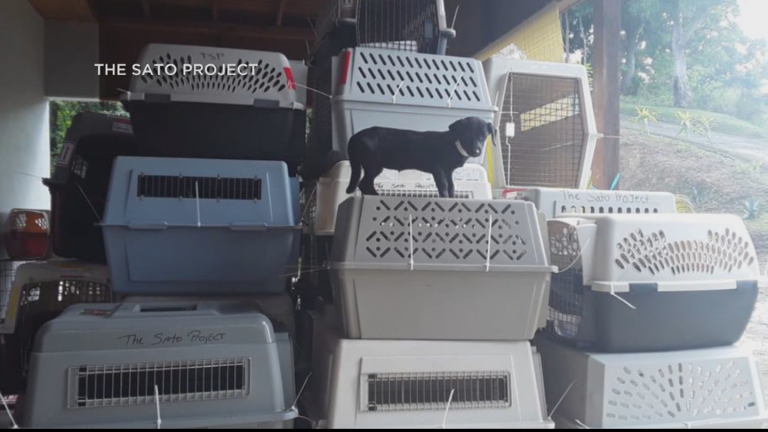
St. Hubert’s Animal Welfare Center in Madison, New Jersey is helping find homes for dogs and cats rescued from earthquake-ravaged Puerto Rico. The pets were evacuated from damaged, overcrowded shelters to make room for other animals displaced by the quakes.
On January 19, an emergency transport flight carried 116 shelter animals from Puerto Rico to Florida, Delaware and New Jersey. 140 shelter animals were evacuated on a second flight on February 9. The flights also dropped off disaster relief supplies on the island. We thank Wings of Rescue, GreaterGood.org and The Sato Project for flying these life-saving missions.
Some 60 dogs and cats came to New Jersey on the two transport flights into Morristown Airport. St. Hubert’s and our partner shelters are finding them new loving homes in New Jersey and around the northeast.
Helping animals in need after natural disasters is an important mission for St. Hubert’s. We welcomed animals from Puerto Rico after the devastation of Hurricane Maria, and helped animals in the wake of Hurricanes Harvey and Irma as well.
St. Hubert’s Animal Welfare Center Names Chief Executive
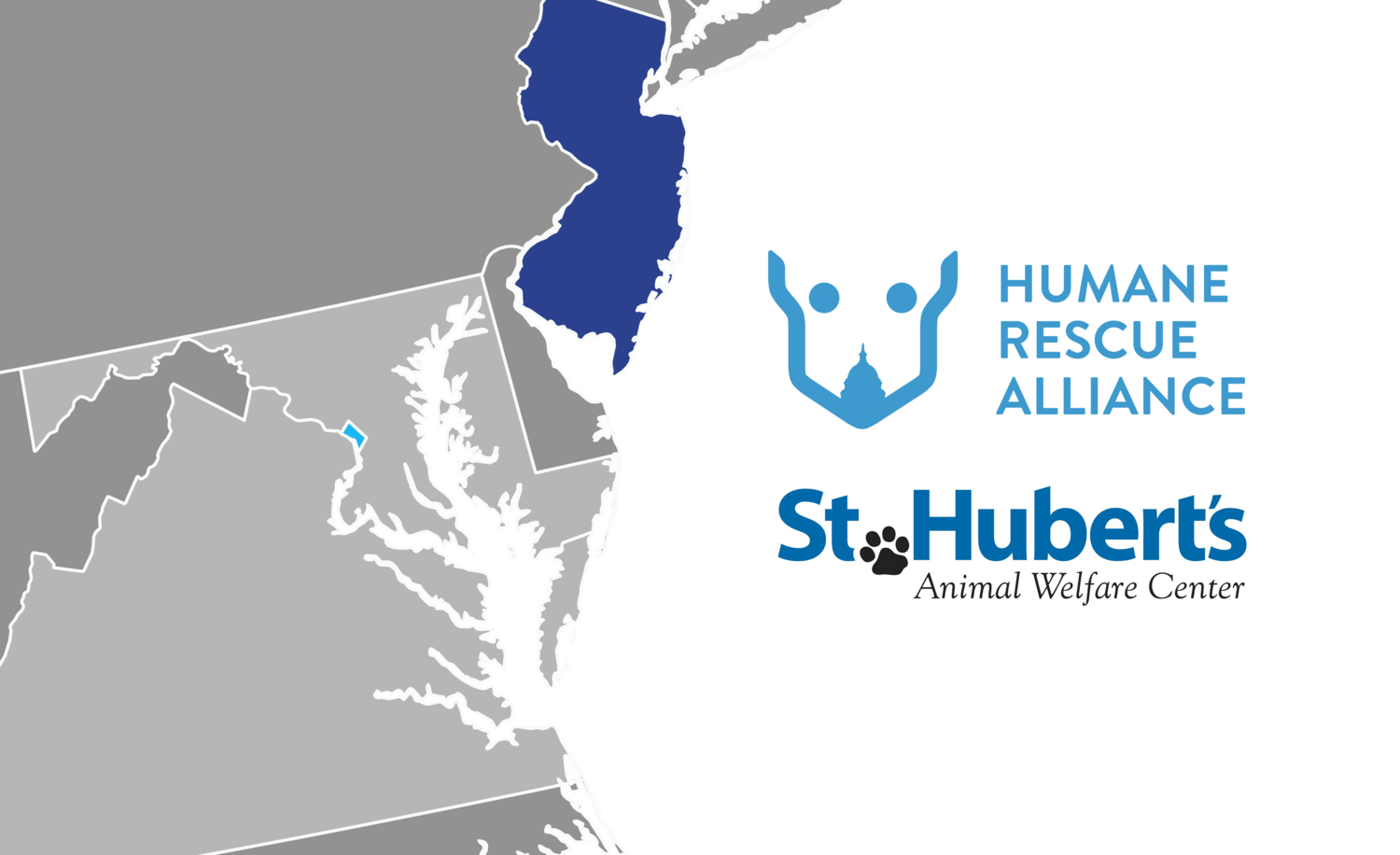
Humane Rescue Alliance president and CEO Lisa LaFontaine today announced that she has named Michelle Thevenin to the position of chief operating officer to lead St. Hubert’s Animal Welfare Center and help bridge between the organization’s operations in New Jersey and Washington, DC. Thevenin will act as the primary executive for St. Hubert’s, overseeing daily operations.
Thevenin is deeply committed to growing St. Hubert’s best-in-class WayStation transport program and building capacity to help more animals and people. She understands the animal populations and differing needs of shelters in the north and south, having run both a well-resourced destination shelter and an overwhelmed source shelter (the Monadnock Humane Society in New Hampshire and Humane Society of Greater Savannah in Georgia, respectively). She is committed to growing the WayStation and building capacity to help more animals and people.
“Michelle Thevenin is deeply passionate about our mission and has a history of building organizations by inspiring her colleagues,” said LaFontaine. “I look forward to a productive 2020 as we finalize the post-merger integration, and a bright, impactful, and powerful future for the unified organization with Michelle on our team.”
“I’m delighted to join such a dedicated team,” said Thevenin. “I’m looking forward to being part of the next chapter in our long history of fostering a compassionate community.”
Michelle has relocated to Morristown, New Jersey, with her animals – three rescue dogs and a 17-year-old cat. She enjoys hiking with her dogs and is looking forward to exploring the green spaces in New Jersey.